
From Skincare to Self-Care
The skincare boom has changed more than our bathroom shelves; personalized experiences are in high demand, while brand upsell and cross sell opportunities have shot through the roof. What was once a one-step routine with a one-size fits all approach, has developed into elaborate routines catered to individual’s skin texture, type and pain point.
While the skincare boom felt like it could reign supreme forever, the time for haircare has finally come. Much like skincare, mainstream haircare was very one dimensional: shampoo, conditioner, rinse and repeat. But thanks to the likes of ‘the curly girl hair method’, 90’s blow outs, the rebrand of the bands, and a focus on scalp health, the haircare market sized up 8.3% from 2023 to 2024. It’s now commonplace for customers to adapt their routine to their hair texture and individual concerns, and they want brands to cater.
So, how can brands adapt their ecommerce stores to capitalize on this growing diversity in haircare routines? In a similar vein to the perfect hair care routine, we’ve put together a 6-step regime for the glossiest of ecommerce sites.
Step 1: Discovering The Perfect Product
Haircare, like skincare, isn’t a one-size-fits-all category. To help customers quickly find what matches their needs, brands can create intuitive, problem-first discovery paths across the site.
Homepage and site-wide sections can be leveraged to call out challenges or goals, acting like skincare hubs (“Breakout Control,” “Hydration Boost,” “Barrier Repair”). Additionally, menu layouts can double down with sections like ‘shop by hair type’ or ‘shop by goal’. This reduces friction for users who don’t know where to start, while funnelling high-intent shoppers straight to relevant pages.
Brand Example: John Paul Mitchell Systems
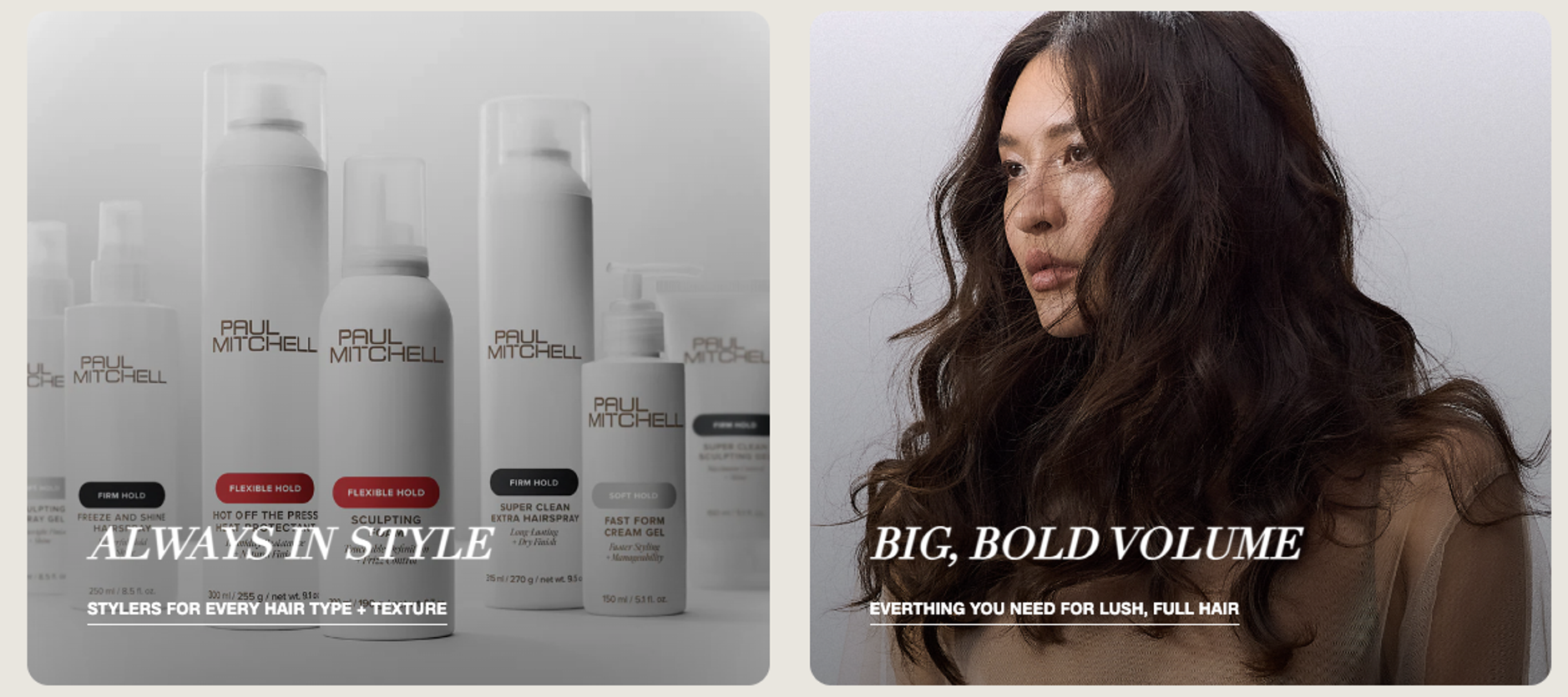
To streamline discovery across its ecosystem, Domaine built JPMS a set of reusable, editorial-style content modules. These modules can flex across landing pages, like the home page, as well as promotional moments, and educational hubs, creating a consistent discovery experience that feels curated.
Step 2: The Hair Consultation
From curls to coils, fine strands to thick waves, and dry to oily scalps, consumers want solutions tailored to their texture and targeted to their concerns. Searches for "textured hair" were up 41% in 2023, while hair loss remains a top worry for nearly 40% of consumers. And as conversations around hormonal changes, postpartum recovery, and menopause become more open, brands have new opportunities beyond the everyday routine by tapping into customers' unique life stages.
To meet these expectations, brands can borrow a playbook straight from skincare: guided, data-driven personalization that reduces friction and increases purchase confidence.
Build an interactive routine-finder quiz
Just as skin quizzes have become a staple in the beauty industry, a well-designed hair diagnostic can help customers wade through an overwhelming product landscape. By asking about texture, scalp health, lifestyle, color treatment, and concerns like shedding or breakage, brands can:
- Recommend a complete regimen (wash → condition → treat → style)
- Capture high-intent zero-party data (data customers intentionally share with you e.g., preferences, interests, and concerns, typically gathered via quizzes) for future marketing
- Increase conversion by removing guesswork
- Position themselves as experts — mirroring the authority skin brands have gained through diagnostic tools
Brand Example: Olaplex
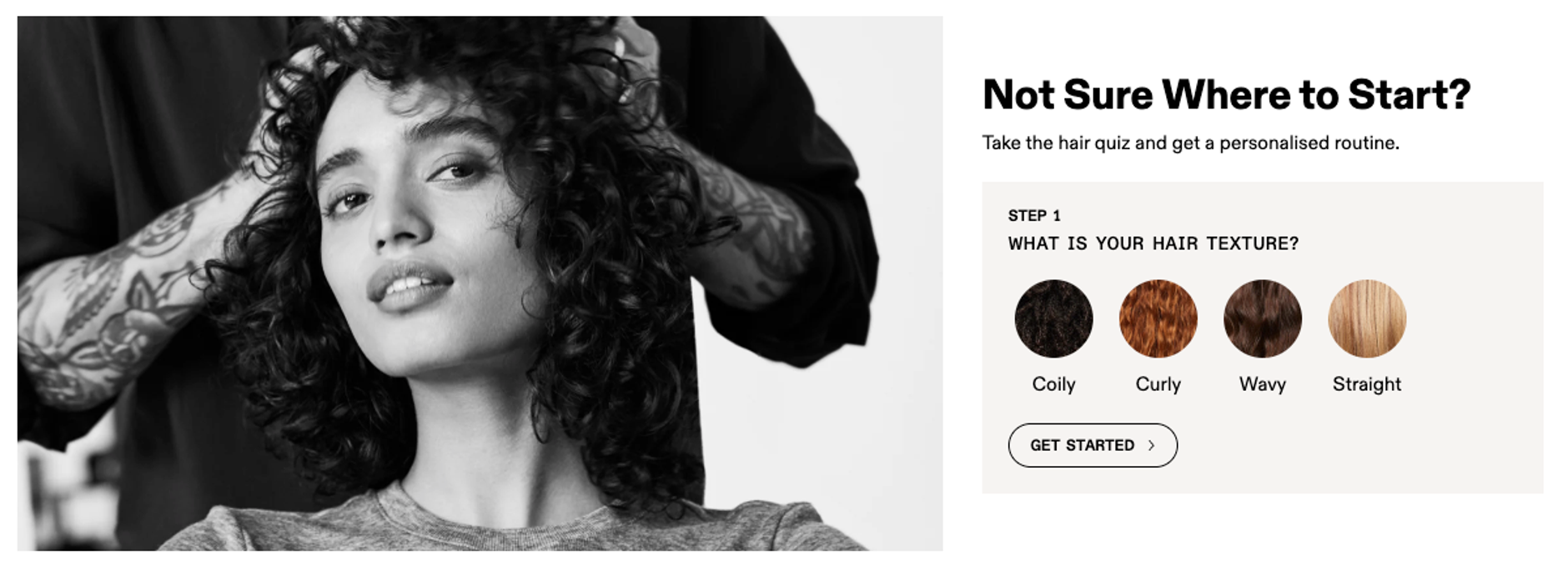
Domaine integrated third-party solution, Insider, to power Olaplex’s personalized recommendations across their site, allowing shoppers to answer a few quick questions about their hair type and needs before receiving tailored product suggestions. We also built a saved hair-profile feature within customer accounts, enabling users to select their hair characteristics and store them for future visits — ensuring the entire shopping experience stays aligned with their individual hair goals.
Intelligent cross-sell & routine completion prompts
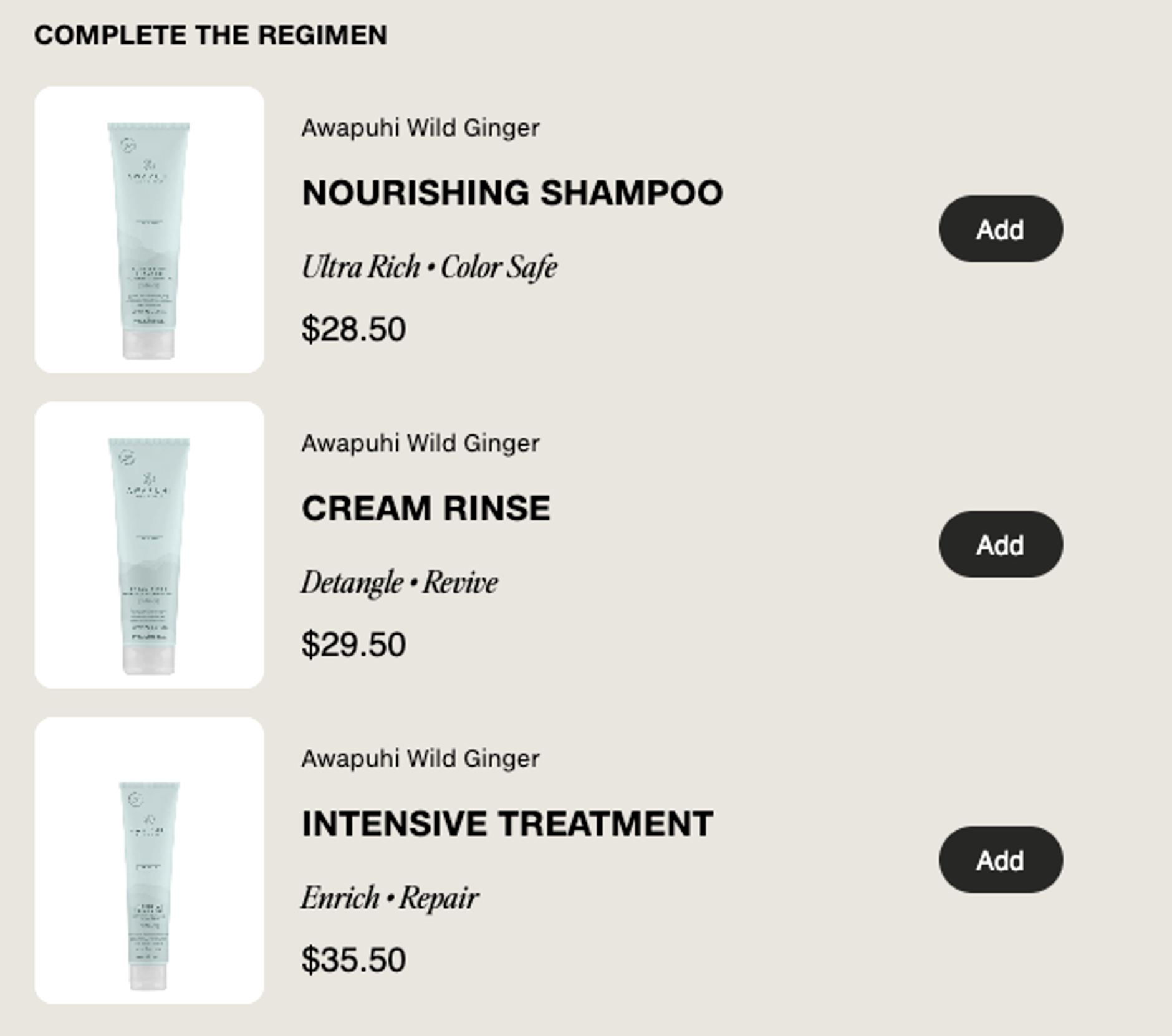
Skincare brands excel at assembling routines, and haircare can mirror this logic. Once a shopper adds a shampoo, smart product recommendations should automatically surface:
- The paired conditioner designed to address the same concern
- A pre-wash treatment for buildup or sensitivity
- A post-shower serum, mask, or leave-in that completes the regimen
These are education-driven cross-sells that reinforce the idea of a complete, tailored system. When done well, they increase AOV while strengthening the brand’s role as a personalized haircare guide.
Brand Example: John Paul Mitchell Systems
For JPMS, Domaine custom-built a “Complete the Regimen” block that intelligently recommends the next steps in a shopper’s routine - pairing core products with complementary treatments, conditioners, or stylers to help customers build a cohesive, results-driven hair regimen.
Step 3: Checking the Label
The principles of skincare have officially permeated haircare. 60% of users seek familiar skincare actives like niacinamide, hyaluronic acid, or peptides in their haircare. Consumers now apply the same diligence to their hair and scalp as they do to their face and they expect the same results.
Borrowing from skincare’s best digital playbooks, brands can use their online storefront to make scientific credibility feel accessible, engaging, and visually intuitive:
Build ingredient-forward PDPs (Product Detail Pages)
Create dedicated ingredient sections with expandable modules that break down what an ingredient is (plain language), what it does (targeted benefits e.g. hydrates the scalp) and who it’s for (texture types).
Use visually engaging ingredient icons & badges
Icons for hyaluronic acid, squalane, peptides, salicylic acid, and ceramides help customers quickly understand the product’s “powerhouse” components. These badges can also call out biotech-based ingredients, fragrance notes, or clinical claims in a scannable format, all of which are ideal for mobile-first shoppers.
Allow filtering & shopping by ingredient
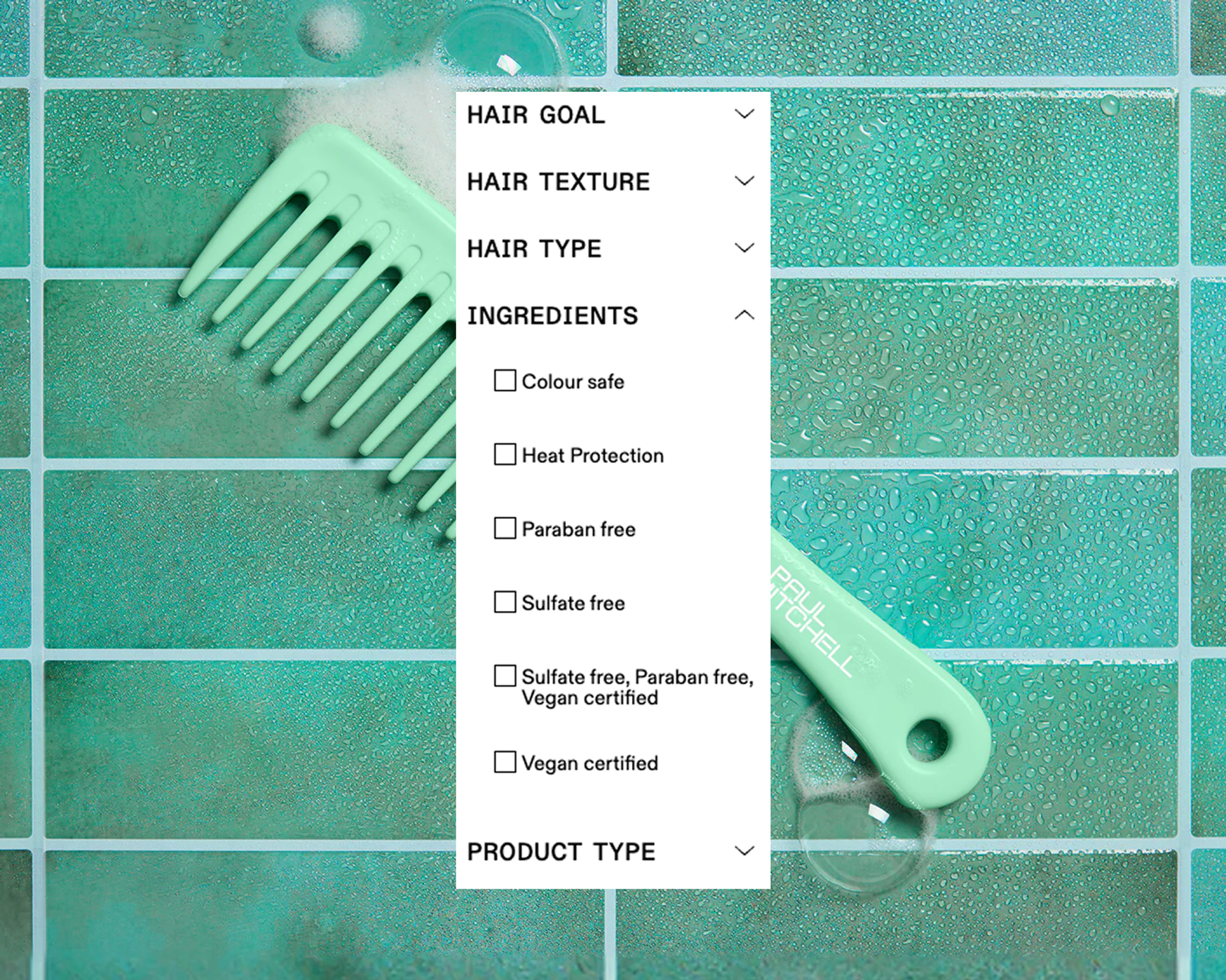
Just as skincare sites let users shop by retinol, vitamin C, or AHA, haircare brands can enable filters for niacinamide, salicylic acid, rosemary extract, bond-builders, or fragrance-free options. This allows ingredient-obsessed shoppers take control of their journey.
Brand Example: John Paul Mitchell Systems
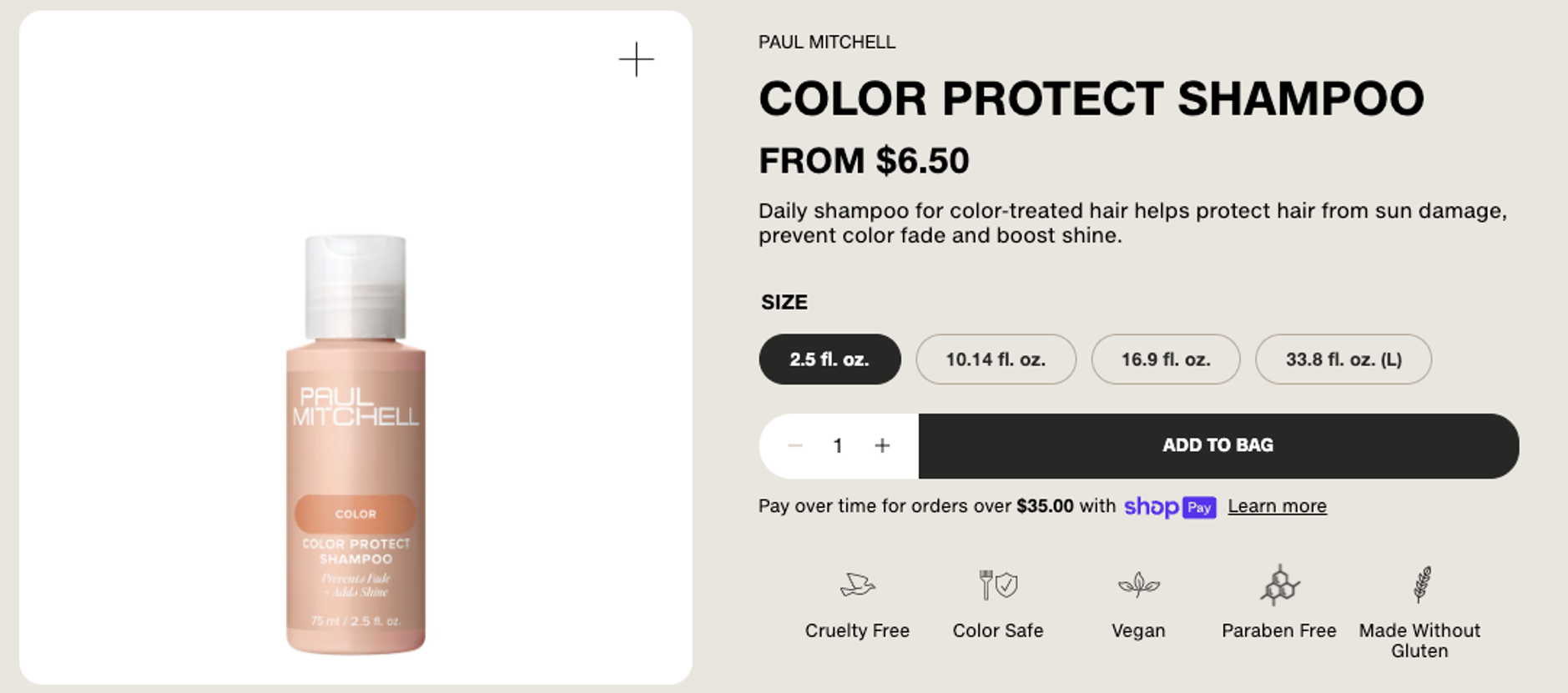
For JPMS, the Domaine team streamlined product exploration by adding filters for categories, benefits, hair type, and brands, making it easy for shoppers to navigate the full portfolio. Mobile-friendly PDPs use icons, videos, and educational tiles to clearly communicate product benefits, while integrations with Klaviyo, Bazaarvoice, Stockist, and Clear For Me seamlessly layer in reviews, store locations, referrals, and ingredient transparency for a more informed shopping experience.
Step 4: Does it Do What it Says on The Tin?
Skincare brands have long used User-Generated Content (UGC) as social proof and haircare has an even stronger opportunity. Texture, volume, frizz, curls, shedding, scalp dryness, all of these concerns are highly visual, and shoppers want to see transformations from people who look like them.
On PDPs, UGC can reinforce ingredient and benefit claims by showing:
- Short routine videos featuring real customers using the product
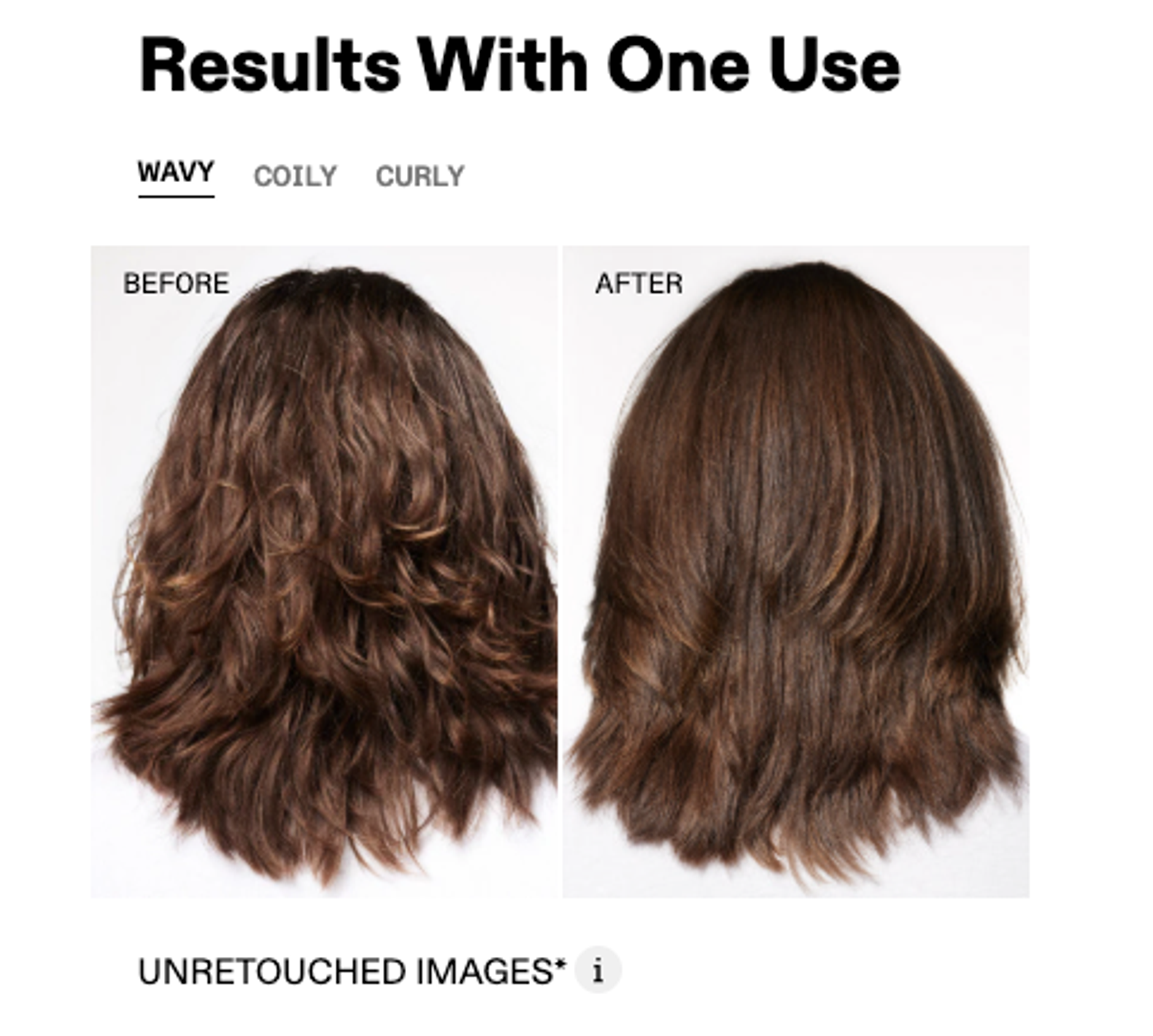
- Before/after carousels demonstrating improvements in frizz, shine, or density
- Clips stitched with ingredient explanations (“Here’s how niacinamide helped my scalp stay balanced…”)
- Tutorials that show when and how to use a product within a routine
This not only enhances credibility but reduces purchase hesitation, especially for concerns like hair loss or texture management, where seeing real results matters more than reading about them.
Step 5: The Stylist’s Tips
Haircare buyers increasingly want to understand why a product works and how to use a product, opening the door for integrated education including:
- Educational articles embedded within PLPs (e.g., a “De-Frizz” product listing page includes “Why humidity causes frizz” or “3 ingredients that smooth without weighing down”)
- PDP callouts linking to deep-dive ingredient or routine blogs (“Learn how peptides support stronger strands”)
- Editorial content linking back to curated product sets, creating a loop between learning and shopping
By creating a two-way ecosystem, where education drives product discovery, and products link back to education, brands position themselves as retailers and trusted advisors.
Brand Example: Olaplex
To help Olaplex bring its hair-health science to life, Domaine transformed the Hair Health page into a central hub for education, blending brand storytelling with commerce. Product insights are woven throughout the site, supported by before-and-after imagery, video content, and a refreshed blog — creating a more immersive, expert-led experience that helps shoppers understand both the science and the results.
Step 6: Maintenance Mode
Just like skincare, haircare is inherently cyclical. Cleansing, conditioning, and treating happen weekly (sometimes daily), making subscriptions a great growth lever.
Haircare usage varies widely: curly hair routines might require more conditioner than shampoo, while those treating hair loss may deplete serums faster than wash-day products. Skincare brands have mastered this nuance with personalized replenishment cadences and haircare brands can follow suit by allowing shoppers to choose delivery cycles based on:
- Frequency of wash days
- Hair length or density
- Treatment type (e.g., serums vs. masks)
- Life-stage needs (postpartum, menopause, color-treated regrowth cycles)
Brand Example: Olaplex
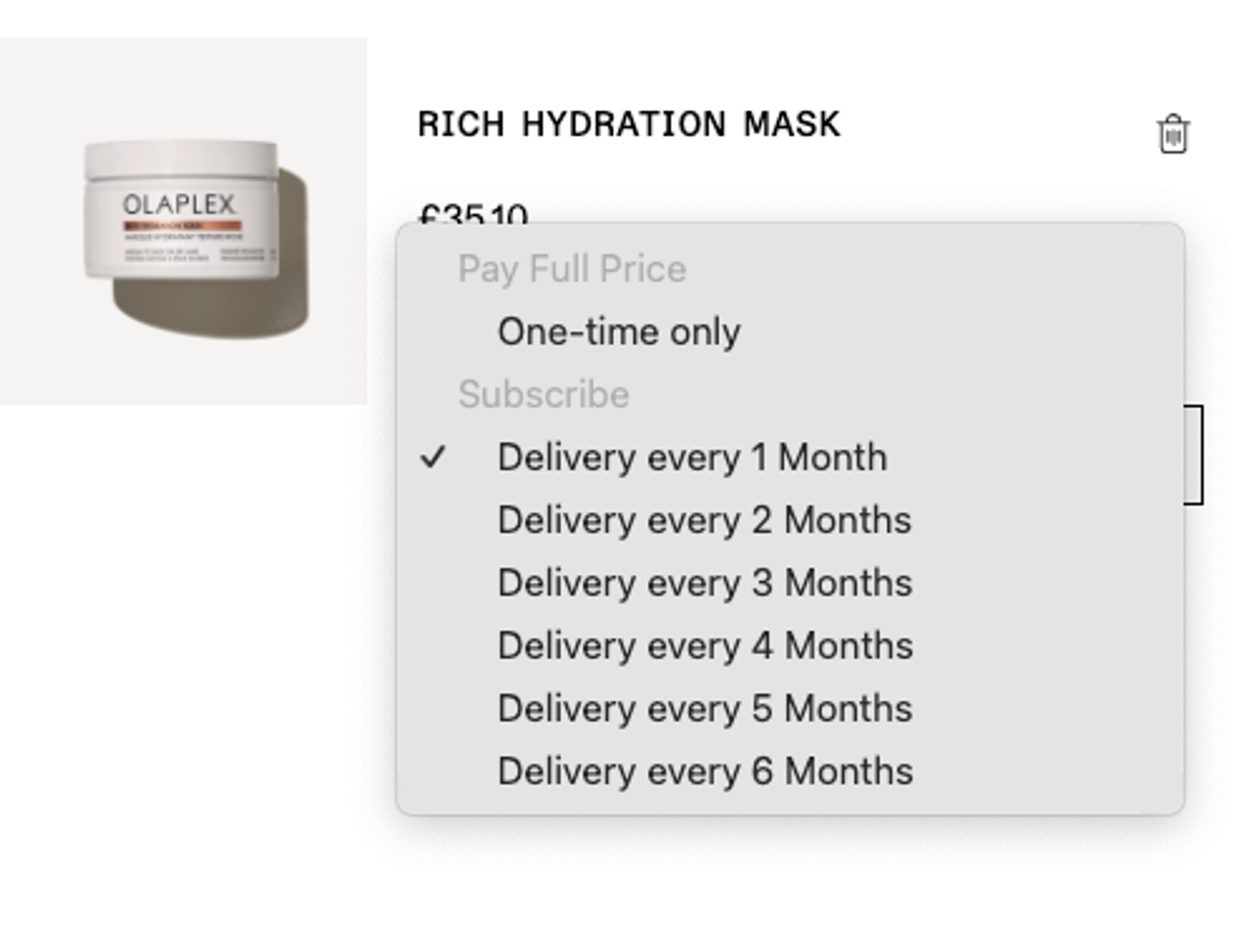
Olaplex uses Recharge to power a flexible subscription experience, allowing customers to switch to “subscribe and save” at checkout and choose their preferred delivery cadence, which can be anywhere from one to six months. Shoppers can also set different frequencies for different products, giving them full control over how their routine is replenished.
Step 7: The Follow-Up
Just like a stylist who checks in between appointments, email and SMS are the channels that keep customers engaged long after checkout. And with the wealth of zero-party data generated from quizzes, subscriptions, and browsing behavior, haircare brands have opportunity to deliver communication that feels personal.
- Quizzes reveal texture, concerns, and goals, perfect for alerting customers when a brand drops a new product within the line they already love, or when a brand launches something that speaks directly to their scalp type or need.
- Subscriptions show cadence and commitment allowing brands to send timely reminders, usage tips, or “first look” early access for loyal customers.
- UGC interactions indicate what resonated, helping brands spotlight new routine videos, before/afters, or trend-driven content that mirrors what shoppers engaged with onsite.
Beyond reminders and product drops, Email and SMS channels can be leveraged for inspiring, educating and re-engaging customers.
- Education flows can help explain how to use products, why certain ingredients matter, and how to build a routine that matches the customer’s exact hair type.
- Re-engagement emails showcase products customers viewed but never purchased, resurfacing UGC, or sharing tutorials they may have missed the first time.
- Personalized product launches to notify customers when something new aligns with their quiz results or browsing behavior.
- Routine refresh nudges are ideal for customers who may have churned because a product wasn’t the right fit. With the right data, brands can introduce alternatives, break down benefits, or recommend formats that better suit their routine.
A Hair Transformation
If you’d like to give your ecommerce site a refresh, or completely transform it for a new look, our team of experts have helped industry leading brands like Olaplex and John Paul Mitchell, and are on hand to support you. Reach out to Domaine today.


